Were you looking for content around How To Fix Noisy Pipes?
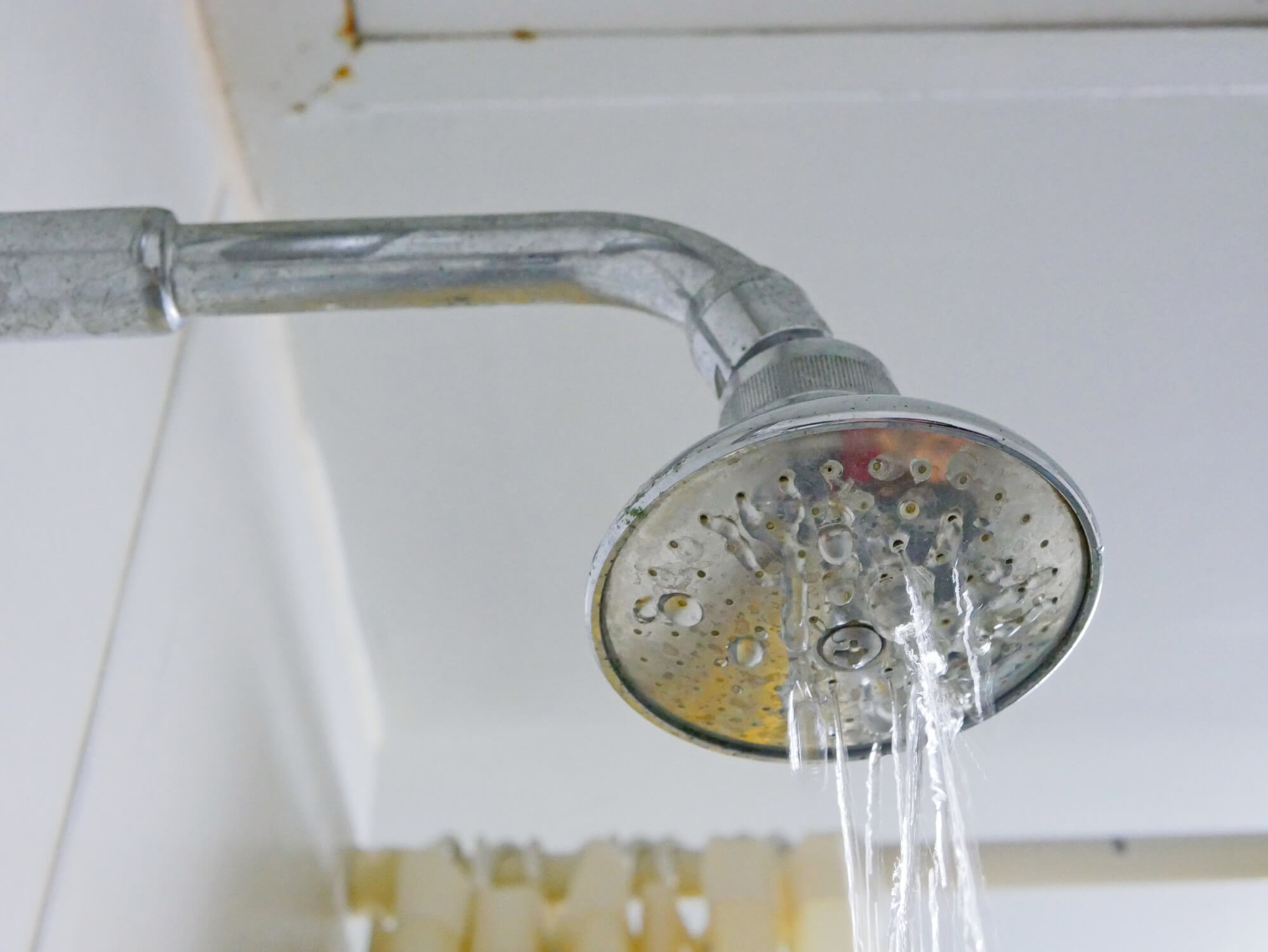
To identify noisy plumbing, it is very important to establish initial whether the undesirable audios occur on the system's inlet side-in other words, when water is turned on-or on the drain side. Noises on the inlet side have actually differed reasons: too much water stress, used shutoff and also faucet parts, improperly linked pumps or other home appliances, improperly put pipeline bolts, and also plumbing runs having a lot of limited bends or various other limitations. Sounds on the drainpipe side normally originate from inadequate area or, similar to some inlet side sound, a design consisting of limited bends.
Hissing
Hissing sound that happens when a faucet is opened somewhat typically signals extreme water pressure. Consult your local water company if you suspect this problem; it will have the ability to inform you the water stress in your location as well as can set up a pressurereducing valve on the incoming water supply pipe if essential.
Various Other Inlet Side Noises
Squeaking, squealing, scraping, snapping, and tapping generally are triggered by the growth or contraction of pipes, usually copper ones supplying hot water. The sounds occur as the pipelines slide versus loose fasteners or strike nearby residence framework. You can commonly identify the location of the problem if the pipelines are subjected; just follow the audio when the pipelines are making noise. Most likely you will certainly uncover a loose pipe wall mount or a location where pipes lie so near floor joists or other mounting items that they clatter versus them. Connecting foam pipe insulation around the pipelines at the point of get in touch with ought to remedy the trouble. Make sure straps and also hangers are secure and also offer adequate assistance. Where possible, pipeline fasteners ought to be attached to large structural elements such as structure walls as opposed to to framing; doing so lessens the transmission of resonances from plumbing to surfaces that can intensify as well as transfer them. If affixing fasteners to framework is inevitable, cover pipes with insulation or other durable material where they speak to fasteners, and also sandwich the ends of brand-new fasteners in between rubber washers when mounting them.
Correcting plumbing runs that deal with flow-restricting tight or countless bends is a last option that needs to be embarked on just after seeking advice from a knowledgeable plumbing specialist. Unfortunately, this circumstance is rather typical in older residences that may not have actually been built with indoor plumbing or that have actually seen several remodels, specifically by amateurs.
Babbling or Screeching
Intense chattering or shrilling that occurs when a shutoff or tap is turned on, which usually vanishes when the installation is opened fully, signals loose or malfunctioning internal parts. The remedy is to replace the valve or tap with a new one.
Pumps as well as devices such as washing equipments and dishwashing machines can move motor noise to pipelines if they are poorly connected. Link such things to plumbing with plastic or rubber hoses-never inflexible pipe-to isolate them.
Drainpipe Noise
On the drainpipe side of plumbing, the principal goals are to get rid of surface areas that can be struck by dropping or rushing water as well as to protect pipelines to contain inevitable noises.
In brand-new building and construction, bathtubs, shower stalls, bathrooms, as well as wallmounted sinks and also containers should be set on or against durable underlayments to lower the transmission of audio through them. Water-saving toilets as well as taps are much less loud than standard versions; mount them as opposed to older kinds even if codes in your location still allow making use of older components.
Drains that do not run up and down to the cellar or that branch right into straight pipeline runs supported at floor joists or other framing present particularly problematic noise problems. Such pipes are large enough to emit substantial resonance; they additionally lug considerable amounts of water, which makes the circumstance worse. In new construction, define cast-iron dirt pipelines (the big pipes that drain toilets) if you can manage them. Their massiveness includes much of the sound made by water going through them. Also, avoid transmitting drainpipes in walls shown to bed rooms as well as rooms where individuals gather. Walls having drainpipes should be soundproofed as was defined previously, using dual panels of sound-insulating fiber board and wallboard. Pipelines themselves can be covered with special fiberglass insulation created the function; such pipelines have an invulnerable vinyl skin (occasionally consisting of lead). Results are not constantly adequate.
Thudding
Thudding sound, frequently accompanied by shuddering pipelines, when a faucet or appliance shutoff is shut off is a condition called water hammer. The sound as well as vibration are brought on by the resounding wave of pressure in the water, which instantly has no location to go. Sometimes opening up a valve that discharges water swiftly into an area of piping consisting of a restriction, joint, or tee installation can produce the very same problem.
Water hammer can usually be healed by setting up installations called air chambers or shock absorbers in the plumbing to which the issue valves or taps are connected. These tools enable the shock wave developed by the halted flow of water to dissipate in the air they consist of, which (unlike water) is compressible.
Older plumbing systems may have brief vertical areas of capped pipe behind wall surfaces on faucet competes the same objective; these can eventually loaded with water, reducing or damaging their effectiveness. The treatment is to drain the water supply completely by turning off the main water system valve as well as opening up all faucets. Then open up the main supply shutoff and shut the taps one by one, beginning with the faucet nearest the shutoff and ending with the one farthest away.
Most Common Causes of Noisy Water Pipes
When you’re at home, you expect the pipes in your plumbing system to bring hot and cold water to all parts of your house at your beck and call. Whether you’re baking in the kitchen, relaxing in a hot bath, doing laundry in the washing machine, or simply need to flush the toilet, water supply and delivery is pivotal to daily life.
Unfortunately, these pipes aren’t perfect, and you may notice that some of them start to make noises over time. These seemingly random plumbing sounds might even scare you a little (you’re not alone!).
To make matters worse, loud noises coming from your piping can actually be an indicator of a bad plumbing problem or series of plumbing problems in your pipes. If left untreated, these clogging and drainage issues can become disastrous over time.
To get to the root of these noisy water pipes, let’s take a look at the common causes. While many causes exist, there are a few that crop up again and again in noisy pipes and plumbing systems that are worth being aware of.
So, without further ado, follow along below to find out once and for all what’s making that awful noise in your water pipes and what you can do right now to fix it.
Why Are My Water Pipes Shaking and Rattling?
While most piping lives behind the walls, floors, or ceilings of your home, some have to be hung with fasteners. If one of these slips, gets loose, or comes off completely, then the pipe can start moving or swaying as water runs through it.
Copper pipes in particular often expand as warm water travels across their metal surface, especially if the temperature on the hot water heater is too high.
Copper pipes carrying hot water can enlarge, but when they ultimately reduce in size again, this makes them scrape against a house’s joists, studs, or support brackets in the walls, resulting in loud noises.
If this happens, you’ll probably hear something that sounds like shaking or rattling going on in your walls. This is just the result of a slightly loose pipe, so it can be fixed rather easily, but it should be attended to quickly so the problem doesn’t get worse.
When you hear shaking and rattling in the ceiling or under the floorboards, don’t hesitate to call a trusted plumbing professional to take care of that noise before it gets unbearable.
Why Does My Plumbing Make a Humming Noise?
If the water pressure in your home gets too high for your house’s plumbing system capacity, your pipes can literally start to vibrate, much like a car traveling very fast down an open highway. If the water is running, you might start to hear a hum coming from your pipes.
While this might happen in a home of any type or size, if your home draws on well water, you’re at a higher risk for vibrating pipes. If this happens, do a quick check on your water tank, as you’ll usually want it set at no more than 55 PSI (pound-force per square inch).
In the event that you don’t have direct access to reading a water pressure meter on your tank, call a professional plumber to come and take a look. They can alter the system appropriately to get rid of that pesky hum.
Where Does That High-Pitched Whining Noise Come From?
Every house has a complete piping system of valves and other elements that depends on lots of tiny pieces and parts to enable the whole thing to work as it’s supposed to. Like any other piece of hardware, washers, nuts, and bolts (and much else) can become loose or wear out over time, resulting in a high-pitched whining noise.
This whistling sort of sound is most typically the simple product of a worn down piece of hardware near a dishwasher, washing machine, or dryer.
These specific areas are more susceptible to loose washers or other hardware because those appliances cause a significant amount of movement and can ultimately wear down nuts and bolts in that particular part of the piping.
If this happens to occur in your home, just have a plumber come in to tighten or replace the necessary hardware, and that should fix it up in no time.
How to Fix Loud Noises in Water Pipes
There are lots of causes for noisy water pipes, but the above list covers most of the common culprits. If you experience any of these sounds in your home, the best way to fix the issue quickly and painlessly is to get in touch with a trusted plumber or plumbing company.
At Kay Plumbing, we have years of experience helping families and homeowners get back to life after a difficult or pesky plumbing problem. If you live in Richland or Lexington County, look no further for a local plumbing team to get your pipes back on track.
If you need your drains cleaned or unclogged, we can have a trained, licensed, and insured plumber at your door, often in just a few hours.
Get in touch with us today so that you can stop living with unnecessary nuisance noises coming at all hours of the day and night. Let the good people at Kay Plumbing get you back to life as usual.
https://kayplumbing.com/plumbing-blog/most-common-causes-of-noisy-water-pipes/

We were made aware of that write-up on How To Fix Noisy Pipes through a friend on another web blog. Appreciated our write up? Please share it. Let other people find it. I am grateful for your time. Visit again soon.
Contact